


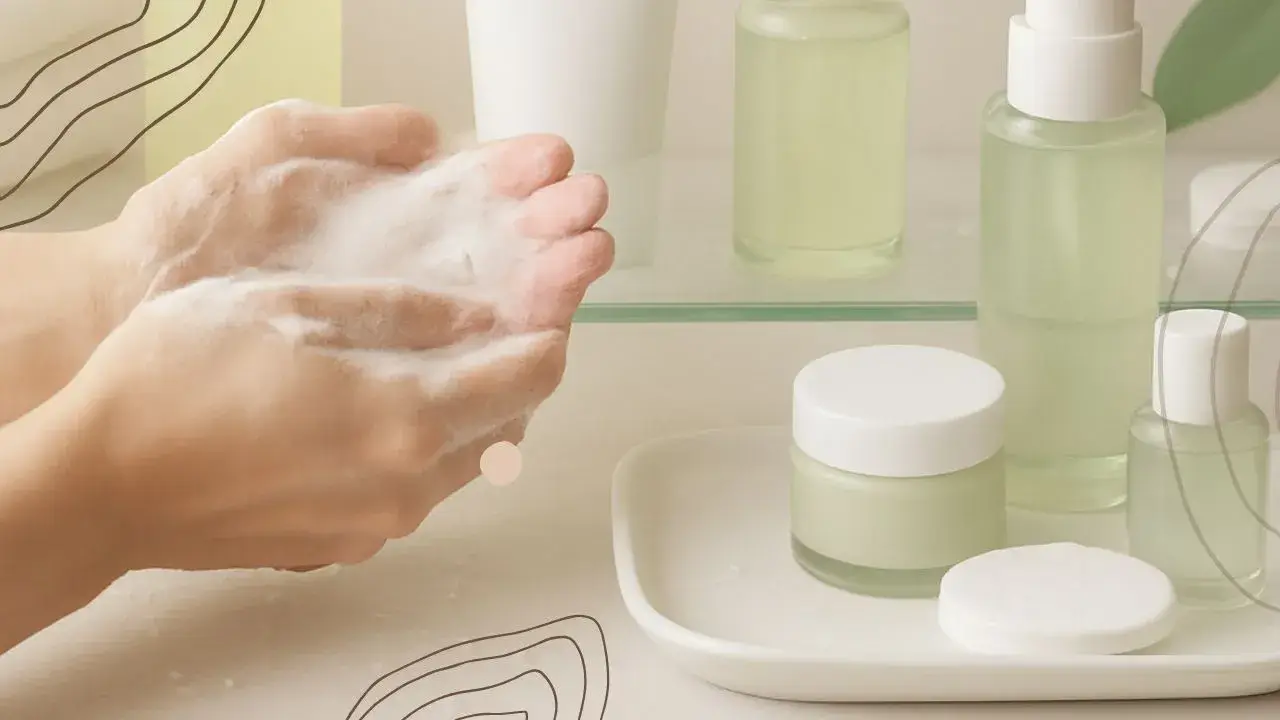
Face wash – Your face is the first thing people notice about you. Keeping it clean and fresh isn’t just about looks—it’s about feeling confident every single day.
But with so many face wash options out there, how do you choose the right one for your skin? This guide will help you understand what your skin truly needs and how the right face wash can transform your daily routine.
Ready to discover the secret to glowing, healthy skin? Keep reading—you’ll want to know this.
Benefits Of Face Wash
Face wash plays a key role in daily skin care. Using a good face wash helps keep skin clean and healthy. It removes dirt, oil, and impurities that build up on the skin’s surface. Regular use supports skin health and can improve appearance. The benefits of face wash go beyond cleaning. It helps prevent skin problems and keeps the skin feeling fresh and hydrated.
Cleansing Dirt And Oil
Face wash removes dirt, oil, and sweat from the skin. These substances can clog pores and cause skin problems. Cleansing with face wash clears away:
- Dust and pollution particles
- Excess sebum (oil produced by skin)
- Dead skin cells
- Makeup residue
When dirt and oil stay on the skin, they block pores. This leads to blackheads and whiteheads. Using face wash regularly helps keep pores open. It allows the skin to breathe and stay clean.
Here is a simple table showing how face wash cleanses:
| Substance on Skin | Effect Without Washing | Effect After Using Face Wash |
|---|---|---|
| Dirt and Dust | Clogs pores, dull skin | Removes dirt, clear pores |
| Excess Oil | Oily shine, acne risk | Controls oil, balanced look |
| Dead Skin Cells | Rough texture, dullness | Exfoliates gently, smooth skin |
Preventing Acne
Acne forms when pores get blocked by oil and dead skin. Bacteria grow in these blocked pores, causing pimples. Face wash helps prevent acne by:
- Cleaning excess oil and dirt
- Removing dead skin cells
- Reducing bacteria on the skin
Using a face wash made for your skin type can lower acne risk. For oily skin, choose a face wash that controls sebum. For sensitive skin, pick a gentle, non-irritating formula.
Key acne prevention tips with face wash:
- Wash face twice daily
- Use lukewarm water, not hot
- Do not scrub harshly
- Pat dry with a clean towel
Regular cleansing helps keep skin clear and healthy. It reduces the chance of painful breakouts and redness.
Hydrating The Skin
Many face washes now include ingredients that hydrate the skin. Hydrating face wash helps keep the skin moist and soft. It prevents dryness and tightness after washing.
Dry skin can lead to irritation and flaking. A hydrating face wash supports the skin’s natural barrier. This helps skin hold onto moisture better.
Common hydrating ingredients in face wash:
- Glycerin – attracts moisture
- Aloe vera – soothes and hydrates
- Hyaluronic acid – retains water
- Natural oils – nourish and soften
Benefits of hydrating face wash:
- Soft, smooth skin after washing
- Reduced dryness and irritation
- Skin feels comfortable all day
Choose a face wash that fits your skin’s hydration needs. This helps maintain healthy, glowing skin daily.
Refreshing Sensation
Face wash gives a fresh feeling after use. This sensation wakes up the skin and mind. Many face washes have cooling or soothing ingredients. These provide a pleasant, clean feeling.
Refreshing face wash benefits include:
- Removing sweat and tiredness
- Reviving dull or tired skin
- Creating a clean, fresh base for skincare
Ingredients that add a refreshing effect:
- Menthol or peppermint – cools skin
- Cucumber extract – soothes and refreshes
- Citrus extracts – invigorate senses
The refreshing feeling after washing helps improve mood. It makes skin feel clean and ready for the day or night.
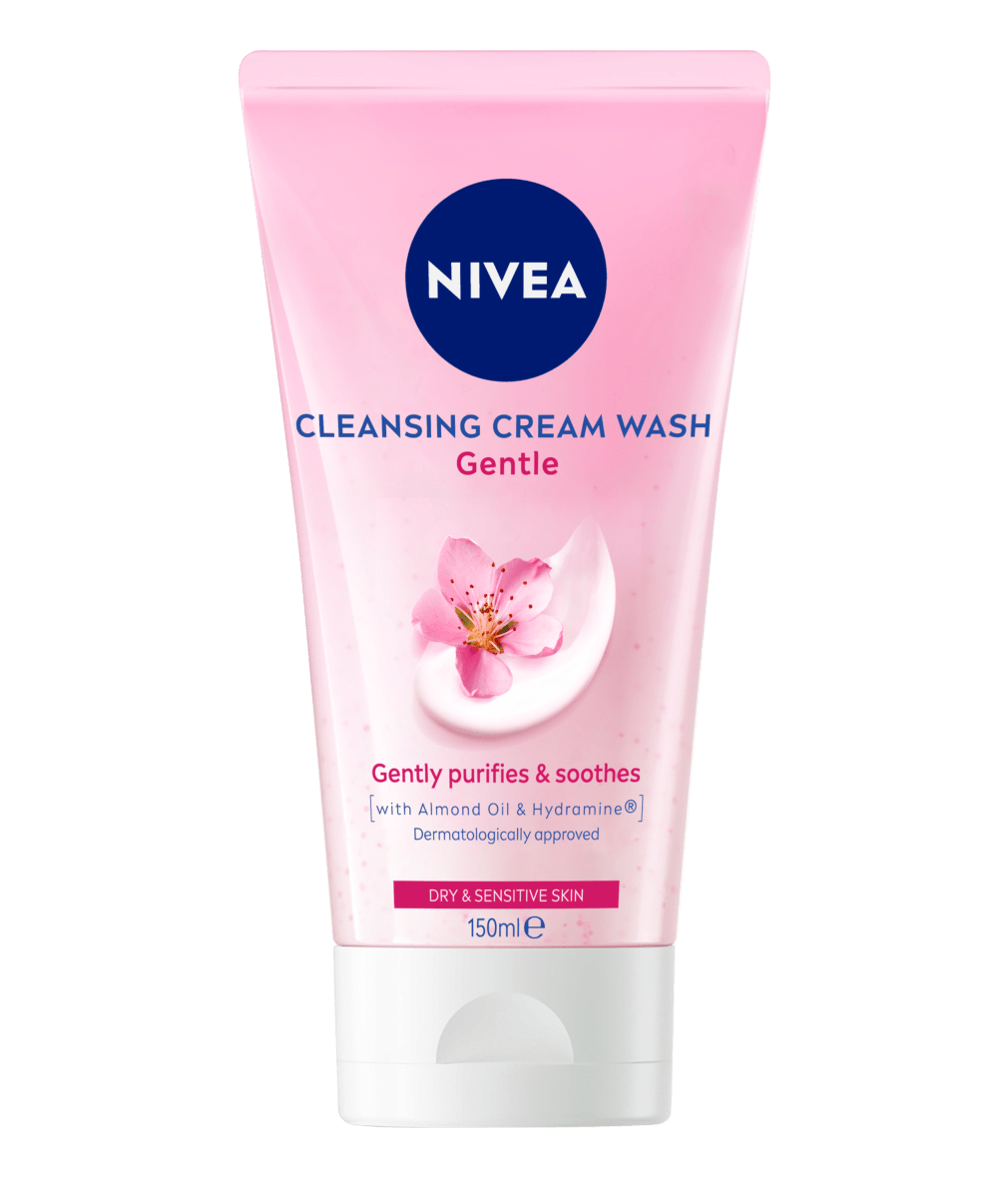
Credit: www.nivea.com.au
Types Of Face Wash
Face wash is a key step in any skincare routine. It removes dirt, oil, and impurities from the skin’s surface. Different types of face wash suit different skin needs. Choosing the right type helps keep skin clean and healthy without dryness or irritation. Here are the main types of face wash and what makes each unique.
Gel-based Formulas
Gel-based face washes have a lightweight, clear texture. They are water-based and often feel cool and refreshing on the skin. These formulas work well for oily and combination skin types because they clean deep without adding extra oil.
Key benefits of gel-based face washes:
- Remove excess oil and shine
- Leave skin feeling fresh and clean
- Non-greasy and easy to rinse off
- Often contain ingredients like salicylic acid to fight acne
Gel formulas are not ideal for dry or sensitive skin because they might cause tightness or irritation. They can be used daily, especially in warmer climates or for those with acne-prone skin.
| Feature | Gel-Based Face Wash |
|---|---|
| Texture | Light, clear, gel-like |
| Skin Type | Oily, combination |
| Key Benefit | Deep cleansing, oil control |
| Common Ingredients | Salicylic acid, tea tree oil |
Cream-based Formulas
Cream-based face washes have a thick, smooth texture. They contain moisturizing ingredients that help nourish dry and sensitive skin. These cleansers gently remove dirt without stripping natural oils.
Reasons to use cream-based formulas:
- Hydrate and soothe dry skin
- Provide a gentle cleanse for sensitive skin
- Leave skin soft and smooth
- Reduce irritation and redness
These washes usually do not foam much. They are perfect for colder seasons or people with skin that feels tight after washing.
| Feature | Cream-Based Face Wash |
|---|---|
| Texture | Thick, creamy |
| Skin Type | Dry, sensitive |
| Key Benefit | Moisturizing, gentle cleanse |
| Common Ingredients | Shea butter, glycerin, oils |
Foaming Cleansers
Foaming cleansers create a rich lather that feels light and airy. They are popular for their deep cleansing ability. These are suitable for normal to oily skin types that need a thorough wash.
Advantages of foaming cleansers include:
- Effectively remove dirt, makeup, and oil
- Give a fresh, clean feeling
- Usually rinse off easily without residue
- Can help prevent acne by clearing pores
Some foaming cleansers can dry out sensitive skin. Users with dry or sensitive skin should choose formulas labeled hydrating or gentle.
| Feature | Foaming Cleanser |
|---|---|
| Texture | Light foam |
| Skin Type | Normal to oily |
| Key Benefit | Deep cleansing, pore clearing |
| Common Ingredients | Surfactants, antioxidants |
Exfoliating Washes
Exfoliating face washes contain small particles or chemical exfoliants to remove dead skin cells. These help brighten skin and improve texture. They are best used 2-3 times per week rather than daily.
Benefits of exfoliating washes:
- Remove dead skin for a smoother look
- Unclog pores to reduce breakouts
- Enhance absorption of skincare products
- Promote even skin tone
Types of exfoliants include:
- Physical exfoliants: Tiny beads or grains that scrub skin
- Chemical exfoliants: AHAs or BHAs that dissolve dead cells
Exfoliating washes may irritate sensitive skin. Use with care and follow instructions to avoid over-exfoliation.
| Feature | Exfoliating Face Wash |
|---|---|
| Texture | Grainy or creamy with acids |
| Skin Type | Normal, oily, combination |
| Key Benefit | Dead skin removal, brightening |
| Common Ingredients | Jojoba beads, glycolic acid, salicylic acid |
Choosing The Right Face Wash
Choosing the right face wash is essential for healthy, glowing skin. A good face wash removes dirt, oil, and impurities without stripping natural moisture. Picking a face wash that suits your skin type and needs helps maintain balance and prevents problems like dryness or breakouts. This guide covers key points to help select the best product for your skin.
Skin Type Considerations
Understanding your skin type is the first step in choosing a face wash. Different skin types need different care to stay clean and healthy.
- Oily Skin: Needs a face wash that controls excess oil without over-drying. Look for foaming or gel cleansers.
- Dry Skin: Requires gentle, hydrating cleansers that add moisture and do not strip natural oils.
- Combination Skin: Needs balanced cleansers that clean oily areas while moisturizing dry patches.
- Sensitive Skin: Should use fragrance-free, mild cleansers to avoid irritation.
Here is a quick guide to match face wash types with skin types:
| Skin Type | Recommended Face Wash | Key Features |
|---|---|---|
| Oily | Foaming or gel cleanser | Oil control, deep cleansing |
| Dry | Cream or lotion cleanser | Hydrating, gentle |
| Combination | Balancing cleanser | Controls oil, hydrates dry areas |
| Sensitive | Mild, fragrance-free cleanser | Soothing, non-irritating |
Choosing a face wash according to your skin type helps keep skin clean and comfortable every day.
Common Ingredients To Look For
Ingredients in face washes impact how they clean and care for your skin. Some ingredients are helpful for all skin types, while others target specific concerns.
Look for these common ingredients:
- Salicylic Acid: Great for oily and acne-prone skin. It helps unclog pores and reduce breakouts.
- Glycerin: A natural moisturizer that keeps skin hydrated and soft.
- Aloe Vera: Soothes and calms irritated or sensitive skin.
- Tea Tree Oil: Has antibacterial properties, good for acne-prone skin.
- Hyaluronic Acid: Retains moisture for dry and dehydrated skin.
Below is a summary of key ingredients and their benefits:
| Ingredient | Benefit | Best For |
|---|---|---|
| Salicylic Acid | Exfoliates, unclogs pores | Oily, acne-prone skin |
| Glycerin | Hydrates, softens skin | All skin types |
| Aloe Vera | Soothes irritation | Sensitive skin |
| Tea Tree Oil | Fights bacteria | Acne-prone skin |
| Hyaluronic Acid | Moisturizes deeply | Dry skin |
Choosing a face wash with the right ingredients helps address your skin’s unique needs.
Avoiding Harmful Additives
Some face washes contain harmful additives that can damage skin or cause irritation. Avoid these ingredients to keep your skin safe and healthy.
Common harmful additives include:
- Sulfates (SLS, SLES): These harsh cleansers strip natural oils and cause dryness.
- Parabens: Used as preservatives, linked to skin irritation and other health concerns.
- Artificial Fragrances: Can cause allergic reactions and sensitivity.
- Alcohol: Dries out skin and disrupts its natural barrier.
- Phthalates: Chemicals that may affect hormone balance and cause irritation.
Check product labels carefully for these ingredients. Choose products labeled as “sulfate-free”, “paraben-free”, and “fragrance-free” for safer use.
Seasonal Choices
Skin needs change with seasons, so adjust your face wash accordingly. Seasonal changes affect oil production, moisture levels, and sensitivity.
Winter: Skin gets dry and flaky. Use creamy, hydrating cleansers that protect moisture.
Summer: Skin becomes oilier and sweats more. Choose gel or foaming cleansers that remove excess oil and refresh skin.
Spring/Fall: Skin can be sensitive due to weather shifts. Mild, soothing cleansers work best.
Here is a seasonal face wash guide:
| Season | Skin Concern | Recommended Face Wash |
|---|---|---|
| Winter | Dryness, tightness | Creamy, moisturizing cleanser |
| Summer | Oiliness, sweat | Foaming or gel cleanser |
| Spring/Fall | Sensitivity, irritation | Mild, fragrance-free cleanser |
Adapting your face wash to the season helps maintain balanced, healthy skin all year round.
Proper Face Wash Techniques
Proper face wash techniques are essential for clean, healthy skin. Using the right method helps remove dirt, oil, and impurities without causing irritation or dryness. Many people wash their face quickly or with too much product, which can harm the skin. Learning the correct steps improves skin texture, reduces breakouts, and keeps your face fresh. This guide explains how to wash your face properly for the best results.
Using The Correct Amount
Using the correct amount of face wash is important. Too much product can strip natural oils, causing dryness or irritation. Too little may not clean your skin well. A small, pea-sized amount is usually enough for most face washes. For foaming cleansers, this amount creates a good lather to cover your entire face.
Consider these tips:
- Start small: You can always add more if needed.
- Focus on problem areas: Use a bit more product on oily or acne-prone spots.
- Use gentle cleansers: Some formulas are concentrated, so a little goes a long way.
| Skin Type | Recommended Amount |
|---|---|
| Normal | Pea-sized (about 1 ml) |
| Oily | Pea-sized to slightly more (1-1.5 ml) |
| Dry/Sensitive | Less than pea-sized (0.5-1 ml) |
Remember: Using the right amount helps maintain skin balance and effectiveness.
Water Temperature Tips
Water temperature affects how well you clean your face and how your skin feels afterward. Hot water can strip natural oils, causing dryness or redness. Cold water may not remove dirt and oil properly. Lukewarm water is the best choice for washing your face.
Benefits of lukewarm water include:
- Opens pores slightly to remove impurities.
- Maintains skin’s natural moisture.
- Prevents irritation caused by hot water.
Here is a simple guide to water temperature use:
- Start with lukewarm water to wet your face.
- Apply the face wash and massage gently.
- Rinse with lukewarm water again to remove cleanser.
- Finish with a splash of cool water to close pores.
Tip: Use your hand or a thermometer to check water temperature. Aim for about 32-35°C (90-95°F).
Massage Methods
Massaging your face during washing helps remove dirt and boosts circulation. Use gentle, circular motions with your fingertips to clean your skin without damage. Avoid scrubbing hard, which can cause irritation and redness.
Follow these steps for effective massage:
- Use the pads of your fingers, not nails.
- Start at the center of your face and move outward.
- Cover all areas: forehead, nose, cheeks, chin, and jawline.
- Spend about 30 seconds massaging to loosen dirt.
The massage helps:
| Benefit | Explanation |
|---|---|
| Improves Blood Flow | Brings nutrients to skin cells for a healthy glow. |
| Enhances Cleanliness | Loosens dirt, oil, and dead skin for easy removal. |
| Reduces Tension | Relaxes facial muscles, reducing stress-related lines. |
Note: Use light pressure to protect sensitive skin.
Rinsing And Drying
Rinsing thoroughly removes all cleanser and impurities. Leftover product can clog pores and cause irritation. Use lukewarm water to rinse your face well, ensuring no soap remains.
Drying your face properly is equally important. Pat your skin gently with a clean, soft towel. Avoid rubbing, which can cause irritation and redness.
Follow these tips:
- Rinse for at least 20 seconds to remove all cleanser.
- Use a fresh towel to avoid bacteria transfer.
- Pat dry instead of rubbing for gentle care.
- Let your skin air dry a bit before applying moisturizer.
Avoid using harsh towels or rough fabrics. Soft cotton towels work best. Proper rinsing and drying keep skin clean, calm, and ready for the next skincare steps.
Face Wash For Specific Skin Concerns
Choosing the right face wash is essential for maintaining healthy skin. Every skin type has unique needs and challenges. Using a face wash that suits your specific skin concern helps improve texture, balance moisture, and reduce problems like irritation or breakouts. This section explains how to select face wash products based on common skin concerns, making your skincare routine more effective.
Sensitive Skin Options
Sensitive skin needs gentle care to avoid redness, itching, or burning. Face washes for sensitive skin usually have mild, fragrance-free formulas. They cleanse without stripping natural oils or disturbing the skin’s protective barrier.
- Look for: soothing ingredients like aloe vera, chamomile, and oat extract.
- Avoid: harsh chemicals, strong fragrances, and alcohol.
- Consistency: cream or lotion-based cleansers work well to calm and hydrate.
Here is a quick comparison of common sensitive skin face wash types:
| Type | Benefits | Best For |
|---|---|---|
| Cream Cleanser | Hydrates and soothes | Dry, irritated sensitive skin |
| Gel Cleanser (Fragrance-Free) | Light cleansing, non-drying | Mildly sensitive skin |
| Micellar Water | Gentle makeup removal | Very sensitive skin |
Always test a new product on a small skin patch. This prevents unwanted reactions. Gentle cleansing twice a day keeps sensitive skin calm and healthy.
Oily Skin Solutions
Oily skin needs a face wash that controls excess sebum and prevents clogged pores. The goal is to cleanse deeply without over-drying, which can cause more oil production.
- Choose: foaming or gel cleansers with oil-control ingredients like salicylic acid or tea tree oil.
- Avoid: heavy creams or oils that can worsen greasiness.
- Frequency: washing twice daily helps remove dirt and oil buildup.
Face wash ingredients that work well for oily skin include:
- Salicylic Acid: exfoliates inside pores to prevent blackheads.
- Charcoal: absorbs impurities and excess oil.
- Glycolic Acid: removes dead skin cells and smooths texture.
Using a suitable face wash supports clearer, shine-free skin without irritation.
Dry Skin Remedies
Dry skin needs extra hydration and gentle cleansing to avoid flaking and tightness. Face washes for dry skin should nourish while removing dirt.
- Look for: creamy, moisturizing formulas with ingredients like glycerin, hyaluronic acid, and oils.
- Avoid: foaming cleansers and strong detergents that strip natural oils.
- Tip: use lukewarm water to prevent further dryness.
Key ingredients that help dry skin:
| Ingredient | Benefit |
|---|---|
| Hyaluronic Acid | Attracts and retains moisture |
| Glycerin | Softens and hydrates skin |
| Natural Oils (Jojoba, Almond) | Restores skin barrier and smoothness |
Using a hydrating face wash daily helps keep dry skin soft and comfortable.
Acne-prone Skin Choices
Acne-prone skin requires a face wash that cleans deeply and fights bacteria without irritation. The right cleanser helps reduce breakouts and excess oil.
- Choose: cleansers with acne-fighting ingredients like benzoyl peroxide, salicylic acid, or sulfur.
- Avoid: harsh scrubs or alcohol-based products that irritate skin.
- Use: gentle exfoliating cleansers to prevent clogged pores.
Important acne-fighting ingredients and their roles:
- Benzoyl Peroxide: kills acne-causing bacteria.
- Salicylic Acid: unclogs pores by exfoliating dead skin.
- Sulfur: reduces oil and inflammation.
Consistent cleansing with the right face wash supports clearer, healthier skin for acne-prone types.
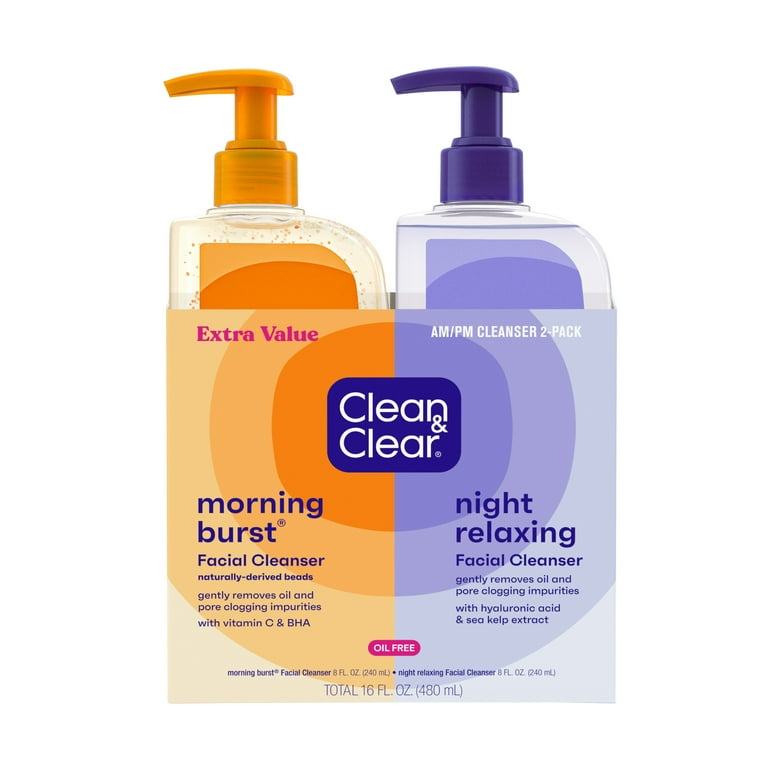
Credit: www.walmart.com
Common Mistakes To Avoid
Using a face wash is a basic step in daily skincare. Yet, many people make simple mistakes that harm their skin. Avoiding these errors helps keep skin clean, healthy, and glowing. Below are some common mistakes to watch out for when using face wash.
Over-washing
Washing your face too often can strip away natural oils. These oils protect and keep your skin soft. Over-washing may cause dryness, irritation, and even more oil production as the skin tries to balance itself.
Signs of over-washing include:
- Redness and irritation
- Flaky or dry patches
- Increased oiliness after washing
Experts recommend washing the face twice a day – once in the morning and once before bed. For sensitive skin, even once a day might be enough.
| Washing Frequency | Skin Type | Recommended Times |
|---|---|---|
| Normal | Balanced | 2 times/day |
| Dry | Low oil | 1-2 times/day |
| Oily | High oil | 2 times/day |
| Sensitive | Easily irritated | 1 time/day or gentle cleansing |
Remember, gentle cleansing is better than frequent harsh washing.
Using Harsh Products
Many face washes contain strong chemicals or fragrances that irritate skin. Harsh products can cause dryness, redness, and inflammation. It is important to choose a face wash that suits your skin type and is gentle.
Here are tips to avoid harsh products:
- Check ingredients for alcohol, sulfates, and strong fragrances
- Choose products labeled for sensitive skin or dermatologically tested
- Test new products on a small skin patch first
- Avoid scrubs with big, rough particles that can damage skin
Use mild, hydrating cleansers with ingredients like glycerin, aloe vera, or chamomile. These help clean without stripping skin.
| Ingredient | Effect | Better Alternative |
|---|---|---|
| Sulfates | Dryness and irritation | Mild surfactants (e.g., cocamidopropyl betaine) |
| Alcohol | Dries out skin | Hydrating ingredients (e.g., hyaluronic acid) |
| Fragrance | Allergic reactions | Fragrance-free formulas |
Skipping Moisturizer
Many think face wash alone is enough. Skipping moisturizer after washing can harm skin health. Washing removes oils and moisture. Without moisturizer, skin can become dry, tight, and flaky.
Benefits of moisturizing after washing:
- Restores skin’s natural moisture balance
- Prevents dryness and irritation
- Protects skin barrier from damage
- Keeps skin soft and smooth
Choose a moisturizer suitable for your skin type:
- Gel-based for oily skin
- Cream-based for dry skin
- Hypoallergenic for sensitive skin
Apply moisturizer while skin is still damp to lock in hydration. This simple step improves skin texture and comfort.
Ignoring Expiry Dates
Face wash products have expiry dates for safety and effectiveness. Using expired face wash can cause skin problems like irritation or infections.
Why expiry dates matter:
- Active ingredients lose strength over time
- Bacteria and mold can grow in old products
- Changes in texture or smell signal spoilage
Keep these tips in mind:
- Check the expiry date before buying and using
- Store face wash in a cool, dry place
- Close the container tightly after use
- Discard products that change color, smell, or texture
Using fresh face wash ensures safe, effective cleansing every time.
Diy Face Wash Recipes
Making your own face wash at home can be fun and rewarding. DIY face wash recipes use natural ingredients that cleanse your skin gently. These recipes suit different skin types and avoid harsh chemicals. Creating a face wash at home lets you control what goes on your skin. It also saves money and reduces waste from plastic bottles.
Natural Ingredients
Natural ingredients form the base of effective DIY face washes. They offer cleansing, moisturizing, and soothing properties without harmful chemicals. Some common natural ingredients include:
- Honey: Antibacterial and moisturizing, great for dry and acne-prone skin.
- Aloe Vera Gel: Soothes irritation and hydrates sensitive skin.
- Coconut Oil: Cleanses and nourishes, best for normal to dry skin.
- Oatmeal: Gently exfoliates and calms inflamed skin.
- Tea Tree Oil: Fights acne-causing bacteria and reduces redness.
Here is a simple table showing some natural ingredients and their main benefits:
| Ingredient | Benefit | Best For |
|---|---|---|
| Honey | Antibacterial, moisturizing | Dry, acne-prone skin |
| Aloe Vera | Soothing, hydrating | Sensitive skin |
| Coconut Oil | Cleansing, nourishing | Normal to dry skin |
| Oatmeal | Exfoliating, calming | Inflamed skin |
| Tea Tree Oil | Antibacterial | Acne-prone skin |
Choosing fresh and pure ingredients ensures the best results. Avoid artificial fragrances or additives.
Simple Homemade Formulas
DIY face wash recipes can be quick and easy. They require few ingredients and simple steps. Mixing your own face wash helps target specific skin needs. Here are three simple homemade formulas:
- Honey and Lemon Face Wash:
Mix 1 tablespoon honey with 1 teaspoon lemon juice. Apply gently and rinse with warm water. Good for oily skin and acne. - Aloe Vera and Coconut Oil Wash:
Combine 2 tablespoons aloe vera gel with 1 tablespoon coconut oil. Massage softly and wash off. Ideal for dry or sensitive skin. - Oatmeal and Yogurt Cleanser:
Blend 2 tablespoons oatmeal with 3 tablespoons plain yogurt. Use as a scrub or wash. Soothes irritation and removes dead skin.
Here is a quick reference table for these formulas:
| Recipe | Ingredients | Skin Type |
|---|---|---|
| Honey & Lemon | Honey, Lemon Juice | Oily, Acne-prone |
| Aloe Vera & Coconut Oil | Aloe Vera Gel, Coconut Oil | Dry, Sensitive |
| Oatmeal & Yogurt | Oatmeal, Plain Yogurt | Inflamed, Sensitive |
Benefits Of Diy Washes
DIY face washes bring many benefits for your skin and lifestyle. They avoid harsh chemicals found in commercial products. This reduces the risk of irritation or allergies.
- Cost-effective: Ingredients cost less than store-bought cleansers.
- Customizable: Adjust recipes to suit your skin type and needs.
- Eco-friendly: Less plastic waste and fewer preservatives.
- Freshness: Use fresh ingredients for better skin nourishment.
- Gentle cleansing: Natural components clean without stripping skin oils.
Making your own face wash also promotes mindful self-care. It encourages awareness of what goes on your skin. This simple act supports healthy, glowing skin over time.
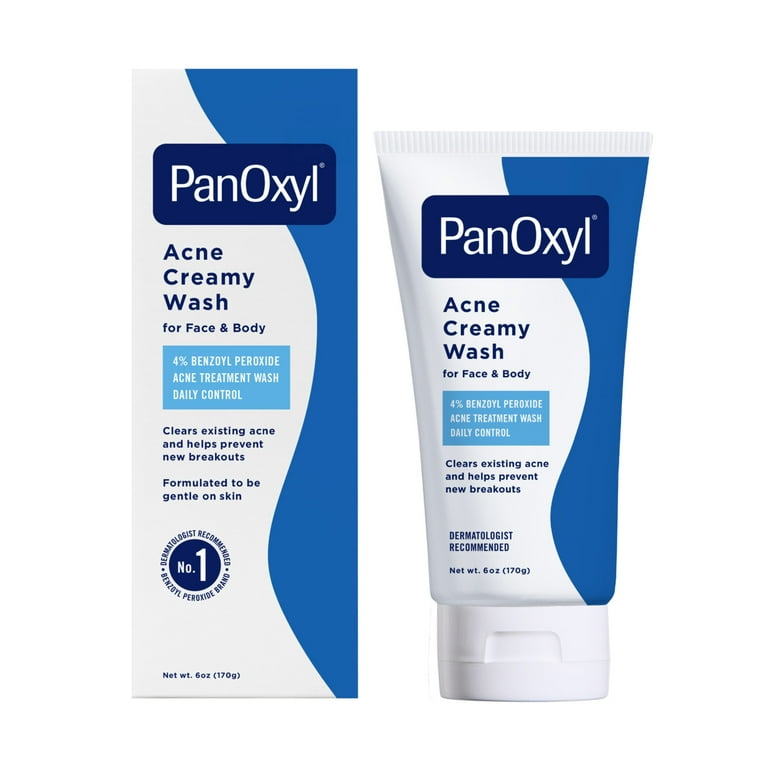
Credit: www.walmart.com
Frequently Asked Questions
What Is The Best Face Wash For Oily Skin?
The best face wash for oily skin controls excess oil and reduces shine. Look for ingredients like salicylic acid or tea tree oil. These help unclog pores and prevent breakouts. Avoid harsh soaps that strip natural oils and cause dryness.
How Often Should I Use Face Wash Daily?
Use face wash twice daily—once in the morning and once before bed. This routine removes dirt, oil, and impurities effectively. Over-washing can irritate the skin. Adjust frequency based on skin type and activity level for best results.
Can Face Wash Help Reduce Acne?
Yes, face wash with acne-fighting ingredients like benzoyl peroxide or salicylic acid helps reduce acne. It cleanses pores and removes excess oil and bacteria. Consistent use with a proper skincare routine improves skin clarity and reduces breakouts.
Is Natural Face Wash Better Than Chemical Ones?
Natural face washes use plant-based ingredients and are generally gentler on skin. Chemical face washes can be more effective for specific issues but may cause irritation. Choose based on your skin type and sensitivity for best results.
Conclusion
Choosing the right face wash helps keep your skin clean and fresh. A gentle formula suits most skin types well. Wash your face twice daily for best results. Avoid harsh ingredients that can cause dryness or irritation. Soft, regular cleansing supports healthy, glowing skin.
Simple steps bring better skin care habits. Clean skin feels comfortable and looks bright. Make face washing a part of your daily routine. Healthy skin starts with a good face wash. Easy and effective care goes a long way.
