



Steps for a skincare routine – Taking care of your skin doesn’t have to be complicated. Imagine waking up every day to a fresh, glowing face that feels healthy and confident.
The secret lies in a simple, well-planned skincare routine. If you’re tired of guessing what to do or overwhelmed by countless products, this guide breaks down the exact steps you need. By following these easy actions, you’ll unlock your skin’s true potential and see real results.
Ready to transform your skincare game? Let’s dive in.
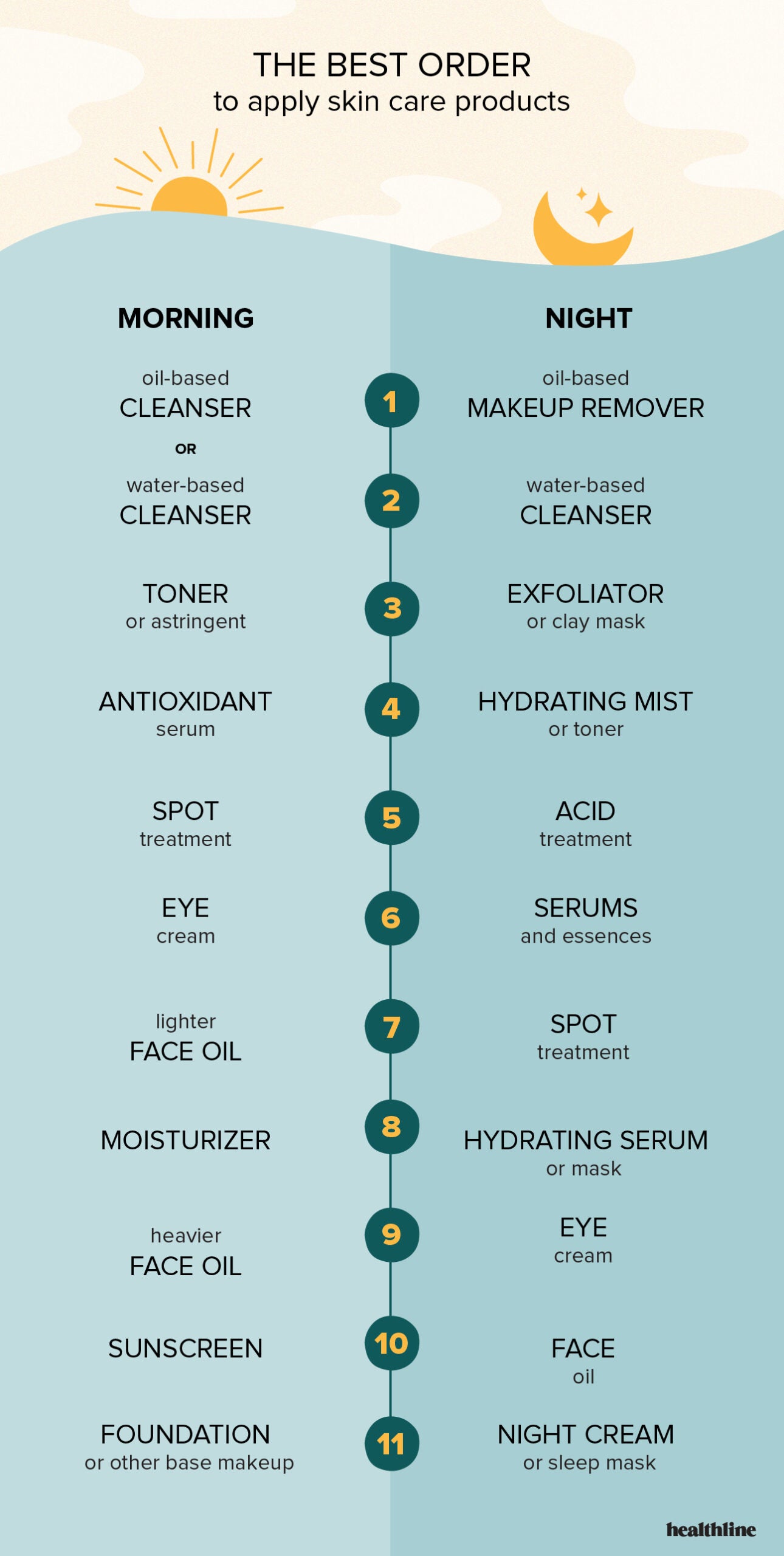
Credit: www.healthline.com
Choose The Right Cleanser
Choosing the right cleanser is the first step in any effective skincare routine. Cleansers remove dirt, oil, and impurities that build up on the skin. Picking the right one helps keep your skin healthy and balanced. A good cleanser suits your skin type and fits your daily needs. Below are key points to help you choose the best cleanser for your skin.
Identify Your Skin Type
Knowing your skin type helps select a cleanser that works best. Dry skin needs gentle, hydrating cleansers. Oily skin benefits from foaming or gel cleansers that control oil. Sensitive skin requires mild, fragrance-free cleansers to avoid irritation. Combination skin needs a cleanser that balances dry and oily areas. Understanding your skin type leads to better cleansing results.
Select Cleanser Ingredients
Look at the ingredients to find a cleanser that suits your skin. Ingredients like glycerin and hyaluronic acid hydrate dry skin. Salicylic acid and tea tree oil help control oil and acne. Avoid harsh chemicals like sulfates on sensitive skin. Natural ingredients often soothe and calm the skin. Choose products with ingredients that support your skin’s health.
Morning Vs Evening Cleansers
Morning and evening cleansers serve different purposes. Morning cleansers should be gentle to refresh skin without stripping moisture. Evening cleansers need to remove makeup, dirt, and pollutants from the day. Some people use double cleansing at night: an oil-based cleanser first, then a water-based cleanser. Adjust your cleanser type based on the time of day for best care.
Exfoliate For Smooth Skin
Exfoliating is a key step for smooth, glowing skin. It helps remove dead skin cells that make your face look dull. Regular exfoliation also clears clogged pores and lets your skin breathe better. This step prepares your skin to absorb moisturizers and serums more effectively. Understanding the right way to exfoliate can improve your skin’s health and appearance.
Physical Vs Chemical Exfoliants
Physical exfoliants use tiny particles or brushes to scrub away dead skin. They give immediate smoothness but can be harsh if used too hard. Chemical exfoliants use acids to dissolve dead skin cells gently. They work below the surface and help with skin texture and tone. Choose the type that suits your skin sensitivity and needs.
Frequency Of Exfoliation
Do not exfoliate every day. Two to three times a week is enough for most skin types. Over-exfoliating can cause redness and irritation. Sensitive skin may need exfoliation only once a week. Always watch how your skin reacts and adjust the frequency.
Benefits Of Regular Exfoliation
Regular exfoliation brightens your skin by removing dull layers. It helps prevent acne by keeping pores clear. Your skin feels softer and looks more even. Exfoliation also supports better absorption of skincare products. It can reduce signs of aging by promoting skin renewal.
Tone To Balance Skin
Toning helps balance the skin after cleansing. It removes leftover dirt and oil. It also prepares your skin to absorb moisturizers better. A good toner refreshes your face and tightens pores. This step is key for healthy, clear skin.
Types Of Toners
There are three main types of toners. First, hydrating toners add moisture to dry skin. Second, astringent toners help oily skin by reducing oil. Third, exfoliating toners remove dead skin cells gently. Choose a toner that fits your skin type.
When To Apply Toner
Apply toner right after cleansing your face. Use a cotton pad or your hands. Gently sweep it over your face and neck. Avoid rubbing hard to prevent irritation. Let the toner dry before adding moisturizer or serum.
Toner Ingredients To Look For
Look for soothing ingredients like aloe vera or chamomile. Witch hazel helps control oil and reduce shine. Hyaluronic acid locks in moisture for soft skin. Avoid toners with alcohol to prevent dryness. Pick gentle ingredients that suit your skin needs.
Apply Serums For Targeted Care
Applying serums is a key step in a skincare routine. Serums deliver active ingredients deep into the skin. They target specific concerns like dryness, dullness, or wrinkles. Using the right serum can boost your skin’s health and appearance.
Common Serum Types
Vitamin C serums brighten the skin and reduce dark spots. Hyaluronic acid serums add moisture and plump the skin. Retinol serums help smooth fine lines and improve texture. Niacinamide serums calm redness and even skin tone. Choose a serum that fits your skin needs.
Layering Serums Effectively
Apply thin serums first, then thicker ones. Start with water-based serums, follow with oil-based. Wait a few minutes between layers to absorb. Avoid mixing too many active ingredients at once. This method keeps your skin calm and happy.
Serum Application Tips
Use a few drops, not too much. Gently pat serum onto clean skin with fingertips. Avoid rubbing or pulling your skin. Focus on problem areas but cover the whole face. Let the serum absorb before adding moisturizer or sunscreen.
Moisturize To Hydrate
Moisturizing is a key step in any skincare routine. It helps keep your skin soft and smooth. Moisturizers lock in water and protect your skin from dryness. Hydrated skin looks healthy and feels comfortable all day long.
Choosing the right moisturizer depends on your skin type. The right product can improve your skin’s texture and appearance. Moisturizers come in many forms: creams, lotions, gels, and oils. Each type suits different skin needs.
Choosing The Right Moisturizer
Pick a moisturizer based on your skin type. For dry skin, thick creams work best. Oily skin benefits from light, oil-free gels. Sensitive skin needs gentle, fragrance-free formulas. Test a small amount to avoid irritation.
Day Vs Night Moisturizers
Day moisturizers are lighter and often include SPF. They protect your skin from sun damage. Night moisturizers are richer and focus on repair. They help skin recover while you sleep. Use both for best results.
Adjusting Moisturizer For Seasons
Skin needs change with the seasons. In winter, use thicker creams to fight dryness. Summer calls for lighter, non-greasy options. Adjust your moisturizer to stay comfortable year-round.
Protect With Sunscreen
Sunscreen is a key part of every skincare routine. It protects your skin from harmful sun rays. Daily use helps prevent sunburn, early aging, and skin cancer.
Choosing the right sunscreen and applying it well keeps your skin safe. Let’s explore why sunscreen matters and how to use it correctly.
Importance Of Sun Protection
Sun rays damage skin even on cloudy days. UV rays cause wrinkles and dark spots. They also increase the risk of skin cancer. Protecting your skin daily keeps it healthy and young.
Types Of Sunscreens
Sunscreens come in two main types: physical and chemical. Physical sunscreens block rays with minerals like zinc oxide. Chemical sunscreens absorb UV rays with active ingredients. Choose one that suits your skin type and comfort.
Proper Sunscreen Application
Apply sunscreen 15 minutes before going outside. Use enough to cover all exposed skin. Reapply every two hours or after swimming or sweating. Don’t forget ears, neck, and hands. Proper use ensures full protection.
Additional Skincare Steps
Additional skincare steps help improve skin health beyond basic cleansing and moisturizing. These steps offer targeted care for specific concerns. They make your routine more effective and enjoyable.
Face Masks For Extra Care
Face masks provide deep cleansing and nourishment. They remove dirt and dead skin cells. Some masks hydrate, while others brighten your skin. Use a mask once or twice a week for best results.
Eye Cream Benefits
Eye creams protect the delicate skin around your eyes. They reduce puffiness, dark circles, and fine lines. Applying eye cream gently helps keep your eyes looking fresh. Use it morning and night for visible improvements.
Spot Treatments For Blemishes
Spot treatments target pimples and blemishes directly. They reduce redness and speed up healing. Apply only on affected areas to avoid drying out healthy skin. Use spot treatments as soon as blemishes appear.
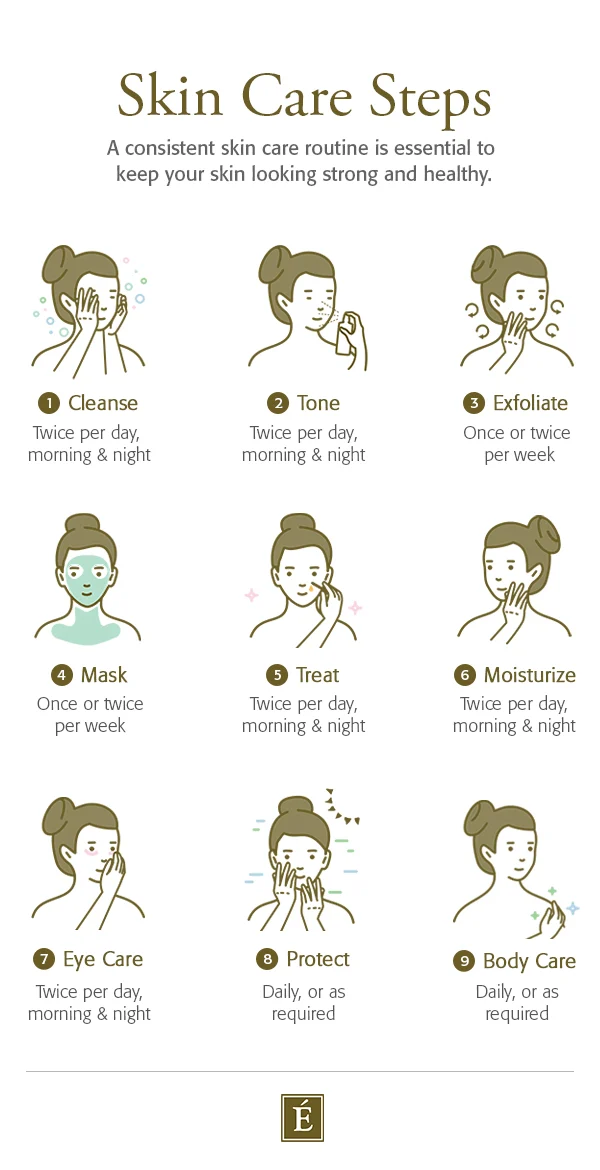
Credit: eminenceorganics.com
Create A Consistent Routine
Creating a consistent skincare routine helps your skin stay healthy and clear. Your skin reacts best when you treat it regularly. Skipping days or changing products too often can confuse your skin. Build habits that fit your daily life. This makes skincare easier and more effective.

Veriphy CTRL+ALT+DEL Facial Cleanser – Hydrating Cream Cleanser with Hemp Seed Oil, Cucumber & Jojoba – Removes Makeup & Impurities – 150mL / 5 fl. oz.
Morning Vs Evening Routines
Morning routines prepare your skin for the day. Use gentle cleanser, moisturizer, and sunscreen. Sunscreen protects your skin from sun damage. Evening routines focus on cleaning and repairing. Remove dirt and makeup first. Apply nourishing creams or serums. Your skin heals better at night.
Adjusting Routine Over Time
Your skin changes with seasons and age. Adjust products and steps as needed. Use lighter products in summer, richer ones in winter. If your skin feels dry or oily, change your routine. Keep it simple and listen to your skin’s needs. Avoid too many new products at once.
Tracking Your Skin Progress
Take photos regularly to see changes over time. Write notes about how your skin feels each day. Notice any reactions or improvements. This helps you understand what works best. Tracking progress keeps you motivated and focused.
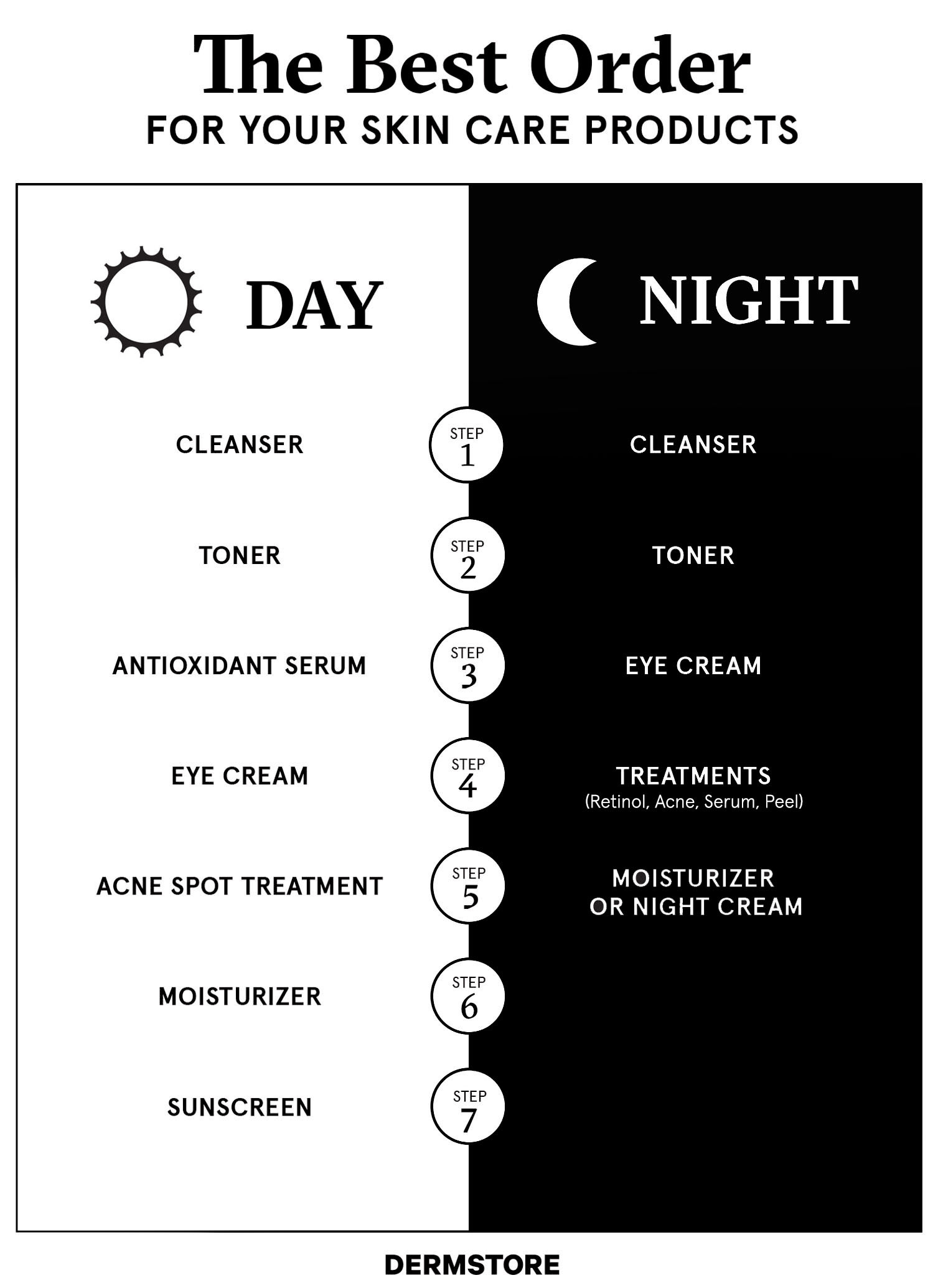
Credit: www.dermstore.com
Frequently Asked Questions
What Are The Essential Steps For A Daily Skincare Routine?
A daily skincare routine should include cleansing, toning, moisturizing, and sun protection. Cleansing removes dirt and oil. Toning balances skin pH. Moisturizing hydrates and protects the skin barrier. Sunscreen prevents UV damage and premature aging. These steps keep skin healthy and glowing.
How Often Should I Follow My Skincare Routine?
For best results, follow your skincare routine twice daily—morning and night. Morning routine protects and prepares your skin. Night routine cleanses and repairs skin. Consistency helps improve skin texture, tone, and overall health over time. Adjust products based on your skin type and concerns.
Can I Skip Any Step In My Skincare Routine?
Skipping steps may reduce your routine’s effectiveness. Cleansing is a must to remove impurities. Moisturizing maintains hydration and skin barrier. Sunscreen is essential to protect from UV damage. Toning can be optional but benefits skin balance. Follow all key steps for optimal results.
What Skincare Products Suit Sensitive Skin Best?
Sensitive skin benefits from gentle, fragrance-free, and hypoallergenic products. Use mild cleansers that don’t strip natural oils. Choose alcohol-free toners to avoid irritation. Moisturizers with calming ingredients like aloe or chamomile help soothe skin. Always patch test new products before full use.
Conclusion
A good skincare routine helps keep your skin clean and healthy. Follow simple steps every day for best results. Consistency matters more than fancy products or quick fixes. Your skin will feel softer and look brighter over time. Remember, gentle care suits all skin types best.
Start small, stay patient, and enjoy the process. Healthy skin is a daily habit, not a race. Keep it simple, stay focused, and you will see changes.
